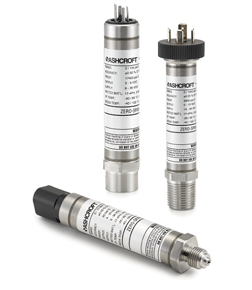
 Selecting the correct electrical connection for a pressure transducer helps ensure your equipment continues to operate effectively, even when affected by vibration, moisture, dust, or temperature extremes that can compromise performance. From off-road equipment to process automation systems, choosing the wrong connector can lead to signal loss, premature failure, or even safety risks.
As a recognized authority in pressure and temperature instrumentation, Ashcroft has extensive experience helping engineers and operators protect their systems in the harshest conditions. Read this article to learn the factors to consider when selecting an electrical connector for a transducer:
- Why connector selection directly affects sensor reliability and longevity
- What environmental conditions should guide your connector choice?
- What installation and wiring factors should you consider?
Why is selecting the right electrical connection so important for pressure transducers?
Electrical connections do more than deliver power and transmit output signals—they provide essential protection against environmental hazards. A weak or poorly matched connector can cause intermittent readings, corrosion, or total sensor failure.
For example, in mobile hydraulic systems or compressors, connectors endure high vibration and thermal cycling. Over time, these stresses can loosen fittings or compromise seals, allowing moisture or debris to enter. The result is drift, erratic output, or short circuits. Reliable connections ensure:
- Signal integrity: Stable voltage or current output without dropouts
- Environmental protection: Proper sealing against contaminants like dust and oil
- Serviceability: Ease of installation, maintenance, and replacement
- Safety: Electrical isolation in hazardous locations where explosive gases or dust may be present
Ultimately, the right connector enhances the durability and reliability of the pressure transducer throughout its service life. When choosing an electrical connector that would function best in your application, be it indoors or outdoors and exposed to the elements, there are many factors to keep in mind.
What environmental conditions should guide your connector choice?
The environment in which a transducer operates determines the level of protection required. For instance, will your pressure transducer be installed outside, or will it be regularly exposed to moisture, dust or sunlight?
Both the National Electrical Manufacturers Association (NEMA) and the International Electrotechnical Commission have established standards, which specify how effectively a transducer's enclosure keeps the user safe from electrical hazards and prevents the entry of solids, liquids and other contaminants into the instrument.
NEMA rating examples
There are many different NEMA ratings that define how well an enclosure performs in different environmental conditions, including:
- NEMA 4 enclosures provide a degree of protection to personnel against incidental contact with the enclosed equipment. It protects against windblown dust and rain, splashing water and hose-directed water, making them ideal for outdoor use.
- NEMA 4X offers similar protection but with added resistance to corrosion, which is common in food, beverage or chemical processing environments.
- NEMA 7 enclosures are designed to contain an internal explosion without causing an external hazard.
- NEMA 9 enclosures are designed to prevent the ignition of combustible dust for use in hazardous areas.
Most Ashcroft pressure sensors predominately fall into the NEMA 4, NEMA 4X, NEMA 7/9 category ratings. For example, the Ashcroft? E2G Pressure Transducer has a NEMA 4X rating, so it offers the same protection as the NEMA 4, with the addition of corrosion resistance.
IP rating examples
In a previous article, we explained that ingress protection (IP) ratings typically consist of two numbers. The first indicates how well the instrument protects against solids (like dust). Solid ratings go from a low of 1 up to the highest rating of 6. The second number indicates how well the enclosure or sensor protects against liquids. See Figure 1 for full list.
Talk to one of our experts today at (855) 737-4714 or fill out our online form to learn more.