In the industrial, food and beverage, and chemical processing sectors, liquid filtration is a process critical to product quality, operational efficiency, and safety. While air and gas filtration are also essential in broader applications, liquid filtration stands apart due to its influence on both the functionality of equipment and the characteristics of end products. The quality of filtered liquids often defines the quality of what’s ultimately consumed, whether by machines or people.
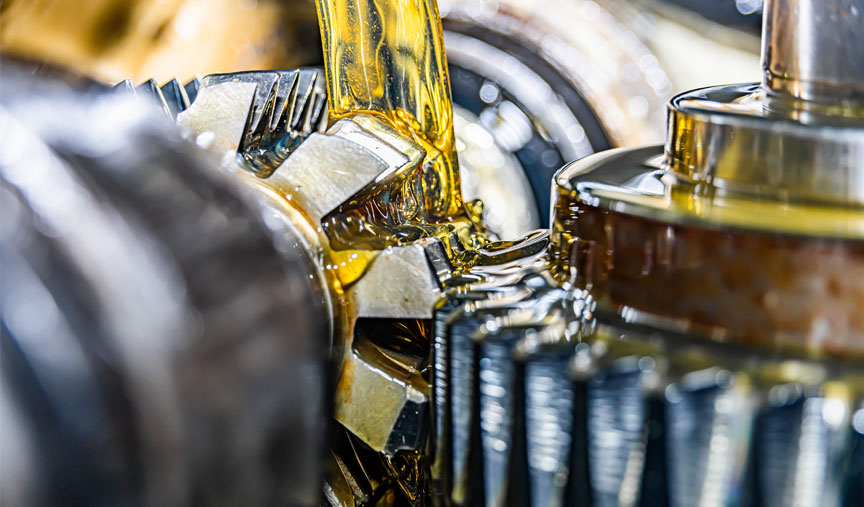
A useful framework for understanding the priorities in liquid filtration, across such a wide range of applications, is the concept of the "Three C’s": Clarity, Color, and Contaminants. These three elements, while not always equally weighted in every setting, provide a consistent guide for evaluating and optimizing filtration systems. Whether the goal is refining the appearance of a juice or fine wine, preserving the golden hue of an edible oil, or protecting high-value equipment from catastrophic failure, filtration’s role revolves around managing these three critical characteristics.
Clarity, Color, and Contaminants
Clarity refers to the visual transparency of a liquid, often a direct indication of its purity and stability. Color, meanwhile, can signal quality, freshness, or contamination depending on context. Contaminants pose a tangible threat to both the aesthetic and functional qualities of a liquid. Effective filtration helps maintain clarity, control color outcomes, and eliminate unwanted particles or emulsified water.
Each of these attributes plays a distinct role depending on the industry. In food and beverage, clarity and color are closely tied to consumer perception and product consistency. In industrial settings, contaminants are often the focus, with clarity and color serving as important indicators of system health. Regardless of the priority, achieving the optimal balance of these three traits ensures reliability and repeatability in production and performance.
Applications in Food and Beverage Processing
In food and beverage manufacturing, liquid filtration is an essential but often invisible contributor to product quality. It spans the full production chain, from water purification to oil handling, flavor infusion, and visual presentation. For example, major global brands often rely on complex, built-in filtration systems to ensure consistency across regional markets. These systems are tailored to local water supplies and are designed to produce a uniform taste regardless of location. This filtration process includes high-performance systems embedded within facility infrastructure.
In fried snack production, such as potato chips, filtration is implemented across multiple stages. The oil used for frying must remain clean and fresh, with filtration preventing taste degradation and contamination. Following the frying process, oil is again used during the seasoning phase, where spices are blended and applied. Every stage presents a contamination risk, and filtration systems are installed to maintain consistency and meet strict safety standards.
With alcoholic beverages, filtration determines both clarity and refinement. Whether it’s a triple-distilled vodka or a craft beer, each product's visual and flavor profile is tightly linked to the filtration stages it undergoes. Some filters are specifically engineered to control haze and deliver the desired aesthetic. In this context, filtration isn’t just about safety or shelf life. It’s about achieving a look and profile that defines the brand. From amber ales to crystal-clear white wines, visual clarity supports a perception of quality. The same goes for perfumes, sparkling waters and juices, where clarity and color are integral to the consumer experience.
Industrial and Chemical Considerations
In industrial and chemical processing environments, the role of filtration becomes more protective than aesthetic. These sectors rely on high-value machinery and equipment that require consistent lubrication and performance. Filtration ensures that oils, lubricants, fuels and chemical liquids remain free of harmful contaminants such as grit, particulate matter, or moisture, which could cause equipment to fail or degrade prematurely.
Infrequently used systems, such as dam wastegates or backup generators, are especially vulnerable. These components might sit idle for long periods but are expected to perform when activated. If the lubricants used in these systems are not adequately filtered, the presence of even minor impurities can result in failure at critical moments. Water ingress, for example, can emulsify within oil, creating a milky appearance that signals contamination. These visual indicators serve as red flags, prompting maintenance or system checks.
Color changes in industrial oils may not be as important for end-user perception as they are in consumer products, but they still play a critical role in monitoring system health.
Vacuum dehydration and centrifugal separation are two methods used to remove water from oil, restoring its clarity and functional properties. These systems work by either boiling off the water under reduced pressure or spinning the mixture at high speeds to separate based on density. When paired with appropriate filtration stages, these technologies can dramatically extend fluid life and reduce equipment wear.
The Importance of Multi-Stage Filtration
Filtration systems must often be customized not just by industry, but by the nature of the contaminants present. A frequent mistake in system design is attempting to capture everything with a single, fine-micron filter. While this might theoretically produce a very clean output, it rapidly clogs the filter media and leads to excessive maintenance costs.
A more efficient approach is multi-stage filtration. For instance, a system might begin with a 50-micron filter to remove larger debris, followed by a 5-micron filter to capture finer particles. By segmenting the workload, each filter operates within its optimal capacity range, extending the life of both filters and reducing change out frequency. In fluid systems where both 100-micron and 10-micron contaminants are present, trying to remove everything with a single 5-micron filter would not only be wasteful, it would be counterproductive.
The choice of media, flow rate, and replacement schedule must all be aligned to the contaminant profile. In doing so, facilities can ensure consistent output without overspending on consumables or risking premature failure of filtration elements. Lab analysis can be done on liquid samples to determine the span of your contaminants present to enhance a multi-stage filtration selection.
Industry Nuance
While the Three C’s apply broadly, their relative importance varies by sector. In food and beverage, color and clarity are often top priorities because they directly influence customer satisfaction and brand perception.
In contrast, industrial and chemical environments prioritize the removal of contaminants. However, clarity and color still play supporting roles, often functioning as early indicators of underlying issues. These visual traits can help identify leaks, emulsification, chemical degradation, or other operational problems before they result in major equipment damage or downtime. By using these characteristics as part of a diagnostic strategy, teams can catch small deviations before they become costly outcomes. In this sense, clarity and color serve not as end goals, but as tools for continuous improvement, contaminant control and system integrity.
Article featured Filtration News Magazine