
Hydrogen and Clean Energy
The Inflation Reduction Act of 2022, signed on August 16, aims to accelerate clean energy innovation, including hydrogen and fuel cell technologies. With increased focus on hydrogen, it's crucial to clarify misconceptions and understand how hydrogen fits into the clean energy landscape.
Hydrogen doesn’t occur naturally in usable form and must be produced. The environmental impact of hydrogen depends heavily on its production method—classified as grey, blue, or green hydrogen.
?
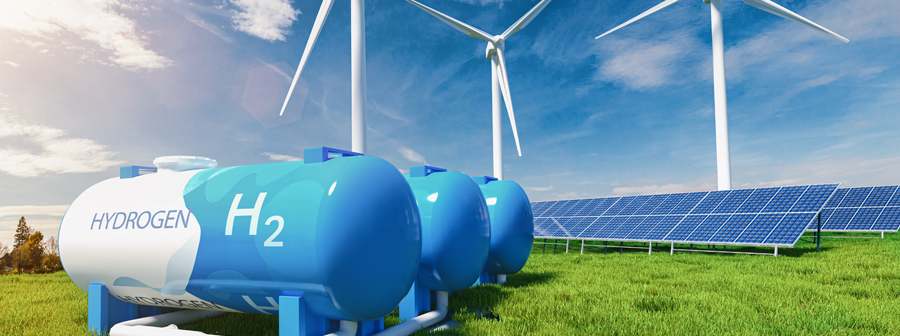
Grey hydrogen, which makes up over 90% of U.S. hydrogen production, is created through steam-methane reforming (SMR), a process that emits significant carbon dioxide. This method persists because it leverages existing natural gas infrastructure, making it the most economical option today.
Blue hydrogen also uses the SMR method but includes carbon capture and storage (CCS), preventing emissions from entering the atmosphere. While environmentally preferable to grey hydrogen, it’s often misrepresented as "green." In truth, it is a cleaner—but not emission-free—option.
Green hydrogen is the cleanest form, produced via electrolysis powered by renewable energy sources like wind or solar. It emits no carbon, but it requires large volumes of purified water and significant infrastructure investment. This makes it the most expensive and technically demanding option.
The current challenge lies in transitioning from the entrenched fossil fuel-based system to cleaner hydrogen solutions. Grey hydrogen remains cheaper than blue, which in turn is cheaper than green. These cost differences influence adoption rates and how incentives under the Inflation Reduction Act are applied.
When companies scale back hydrogen projects, it doesn’t mean hydrogen is failing. Often, it's a response to cost-benefit realities—where green hydrogen isn’t yet viable for light-duty transport but may make sense in industrial or chemical sectors where demand is high and infrastructure is more adaptable.
The future of hydrogen depends on proper incentives, supportive policy, and reducing the cost gap between grey and green hydrogen. With new tax credits and increased federal backing for both blue and green hydrogen projects, the shift toward cleaner hydrogen is underway. While hydrogen isn’t yet a universal solution, particularly at the consumer level,
It remains a vital component of the broader strategy to decarbonize hard-to-electrify sectors. I wrote a full article on this topic for Power Magazine last year. If you’d like to learn more, I suggest you give it a read.
Call us today at (855) 737-4714 to learn more or fill out our online form and someone will get back to you.